Key Takeaways
- Much of the Upper Keys sits on a fossil coral reef, and some of its red rock contains dust from Africa.
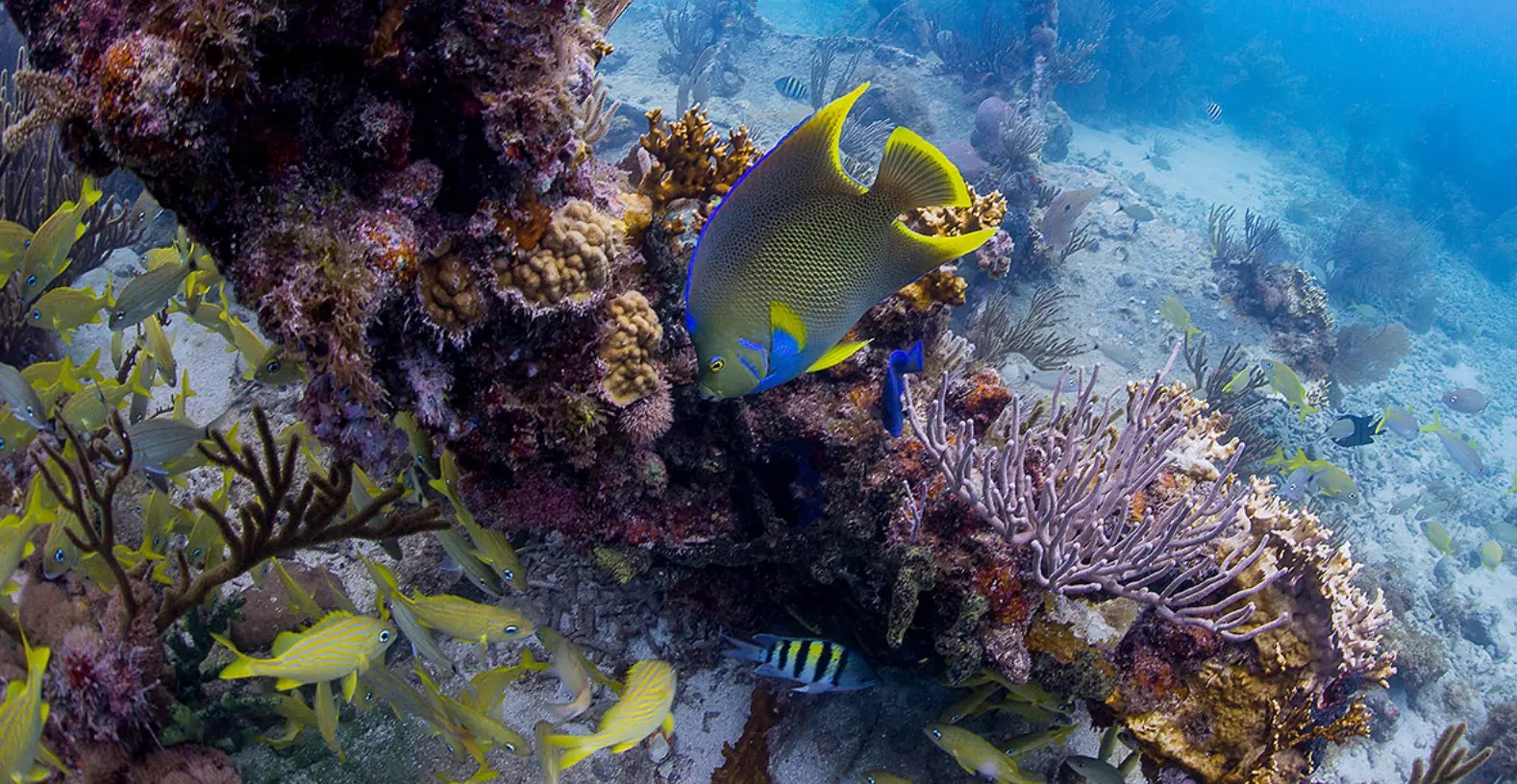
- Florida Keys National Marine Sanctuary protects the only barrier coral reef in the continental US.
- Key deer are the smallest white-tailed deer in North America and live nowhere else on Earth.
- A railroad carried passengers over the sea to Key West from 1912 until the Labor Day hurricane of 1935.
- The Florida Keys History & Discovery Center in Islamorada lets families explore these stories up close.
Ask a kid what the Florida Keys are made of, and you'll probably hear ‘sand.’ The real answer is stranger: much of the island chain stands on a coral reef that lived about 125,000 years ago.
These Florida Keys facts for kids cover the ground under your feet, the reef offshore, a pint-sized deer, and a train that crossed the ocean.
What Are the Florida Keys Made Of?
The Upper Keys are built on Key Largo Limestone, a fossil coral reef that grew when sea levels were higher. According to the Florida Geological Survey's guide to Key Largo Limestone, corals such as star coral and brain coral make up about one-third of the rock.
Some of it has red layers, too. Rainwater dissolved bits of limestone over thousands of years, leaving behind dust that had blown across the Atlantic Ocean from Africa.
Where Is the Only Barrier Coral Reef in the Continental US?
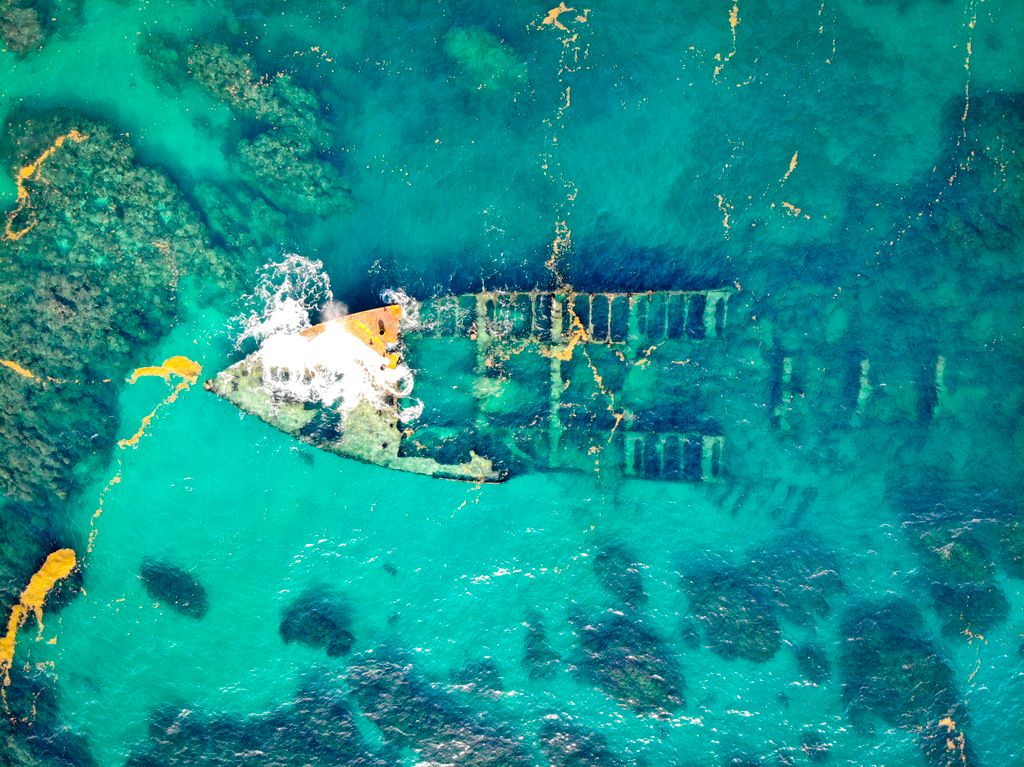
It runs just off the Florida Keys. Florida Keys National Marine Sanctuary protects the only barrier coral reef in the continental US, plus more than 6,000 marine species, from reef fish to bottlenose dolphins.
Key Deer Are the Smallest White-Tailed Deer
Key deer are the smallest subspecies of North American white-tailed deer, and they live nowhere else in the world. Adults stand about 25 to 30 inches at the shoulder, according to the U.S. Fish and Wildlife Service's Key deer profile. If you spot one, give it space and never feed it.
The Railroad That Went to Sea
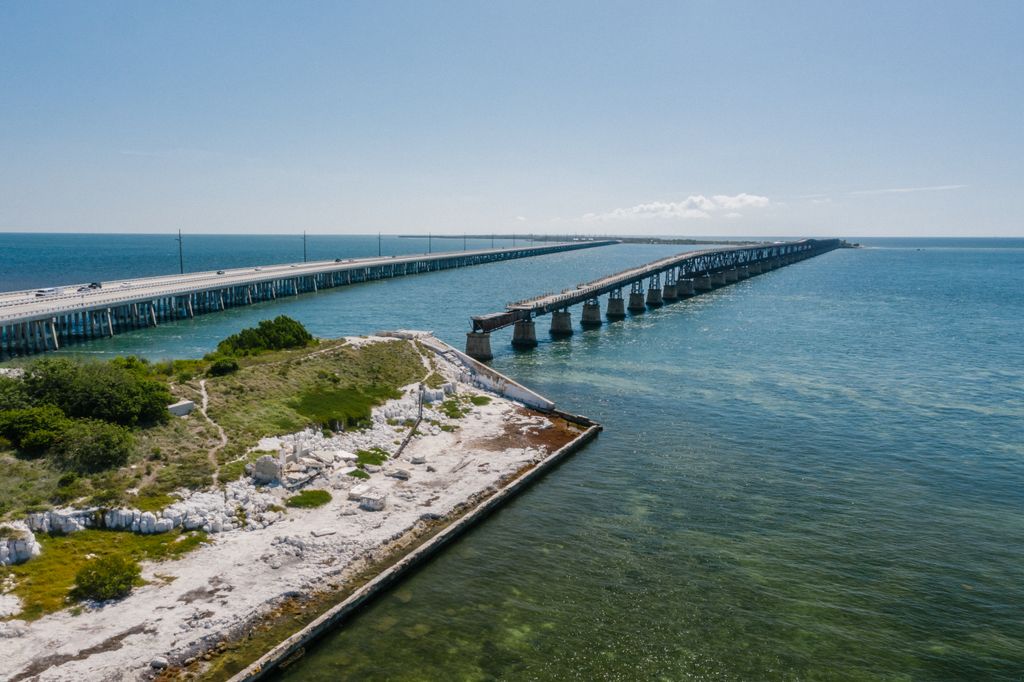
Before cars could drive to Key West, people rode a train there. Henry Flagler's Overseas Extension was finished on January 21, 1912, after thousands of workers battled heat and hurricanes, according to a Florida historical marker on the railroad. Doubters had called it ‘Flagler's Folly.’ Trains ran until the 1935 Labor Day hurricane damaged the line beyond repair.
See More Florida Keys Facts for Kids in Islamorada
Many kids remember facts best when they can see them. The nonprofit Florida Keys History & Discovery Center at Mile Marker 82 brings 9,000 years of island history into one hands-on space, including:
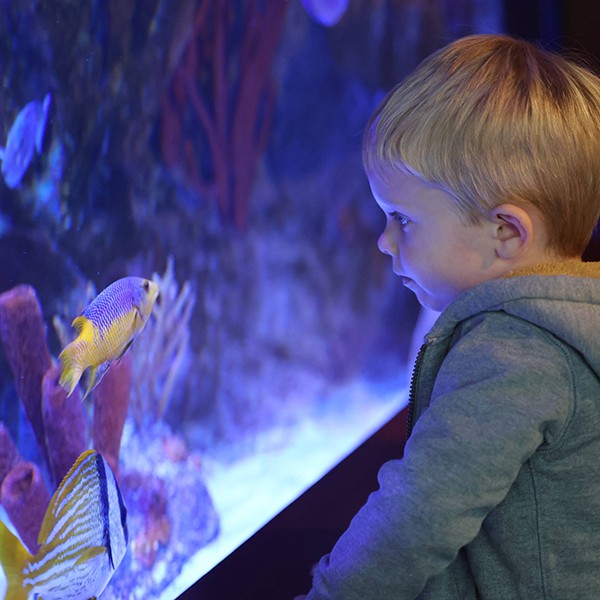
- Three living aquariums with tropical fish and invertebrates from the reef ecosystem
- Historical exhibits on the railroad and the hurricanes that tested the Keys
- Fishing exhibits about how Islamorada became the Sport Fishing Capital of the World
- A theater showing films about shipwrecks and the Overseas Railway
Visit us at the Florida Keys History & Discovery Center and let your kids find the next surprising fact themselves.
The Florida Keys History and Discovery Foundation mission is to conserve the history, culture, and ecosystems of the Keys by inspiring current and future generations to discover our islands through dynamic exhibits, innovative programs, and community events. Help preserve our rich heritage today.