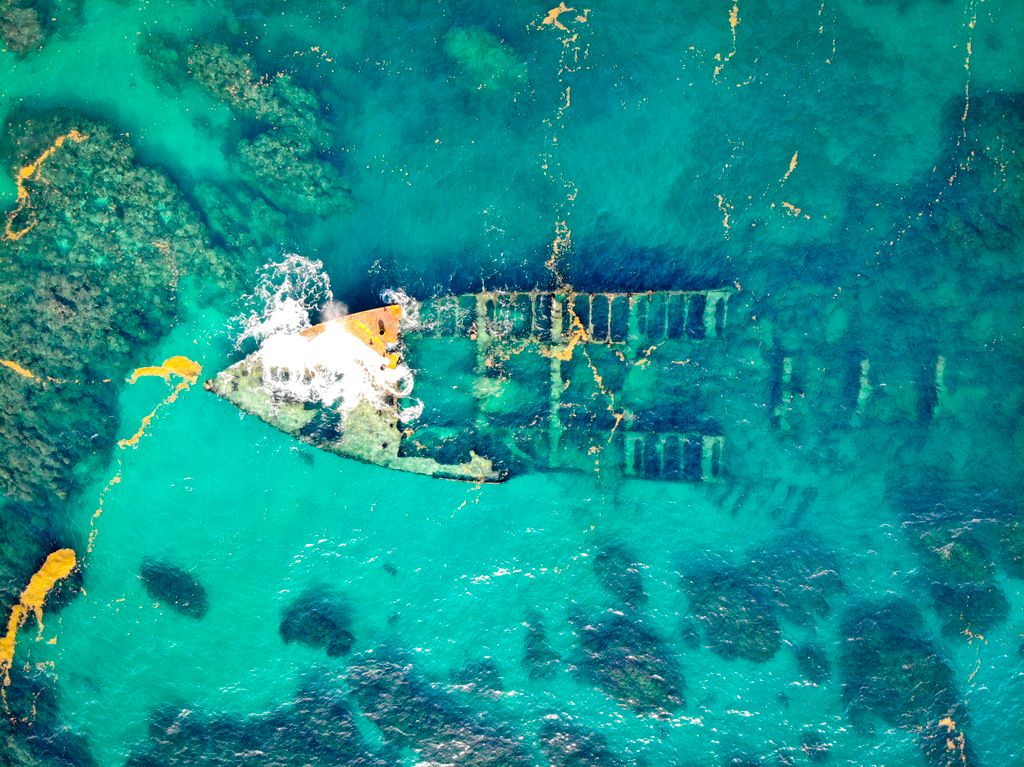
Few stretches of water on Earth have swallowed more history than the reef-lined passage running along the Florida Keys. For centuries, the shallow shoals and unpredictable storms of the Florida Straits turned this corridor into a graveyard for ships — and a gold mine for those bold enough to go looking.
A Highway of Riches and Ruin
From the 1500s through the early 1800s, Spanish treasure fleets loaded with gold, silver, and emeralds funneled through the Florida Straits on their way back to Seville. The same coral reefs that make the Keys a world-class diving destination today sent hundreds of galleons to the bottom without warning.
The most famous casualty remains the Nuestra Señora de Atocha, a Spanish galleon that sank during a 1622 hurricane roughly 35 miles west of Key West. When salvager Mel Fisher located the mother lode in 1985 after a 16-year search, he recovered more than $400 million in treasure, making this shipwreck one of the greatest underwater finds in history.
Pirates and Wreckers
The same geography that doomed treasure ships attracted pirates like moths to a flame. Notorious figures, including Black Caesar (a formerly enslaved man turned fearsome pirate), reportedly used the upper Keys as a base of operations in the early 1700s, preying on passing vessels before eventually joining Blackbeard’s crew.
By the 19th century, a legitimate industry had risen from the wreckage. Licensed salvagers known as wreckers raced to stricken ships to claim cargo before rivals or the sea could. At its peak in the 1850s, Key West was the wealthiest city per capita in the United States, its prosperity built almost entirely on salvage revenue.
Explore the Full Story
The Florida Keys History & Discovery Center in Islamorada brings this history to life through artifacts from Spanish colonial shipwrecks, interactive reef ecology exhibits, and rotating collections drawn from some of South Florida’s most significant archives. For anyone fascinated by Florida Keys shipwrecks, treasure hunting, or the islands’ remarkably layered past, these collections provide essential historical and ecological context.
Researchers estimate that more than 1,000 shipwrecks lie within Florida’s coastal waters. Visit the Florida Keys History & Discovery Center and see how deep the story really goes.