The Florida Reef is one of the most extraordinary natural features in North America. Stretching roughly 360 miles along the Atlantic coast from Miami to the Dry Tortugas, it is the only living barrier coral reef in the continental US and the third-largest coral barrier reef system in the world. If you’re planning a trip to the Florida Keys, here’s what you need to know about Florida’s Coral Reef.
What Is the Florida Reef Tract?
Coral reefs are built by colonies of tiny animals called coral polyps, which secrete calcium carbonate to form the hard, rocky structures we see underwater. Florida’s reef supports an astonishing web of marine life, including:
- More than 40 species of reef-building coral
- Hundreds of fish species, from parrotfish and angelfish to nurse sharks
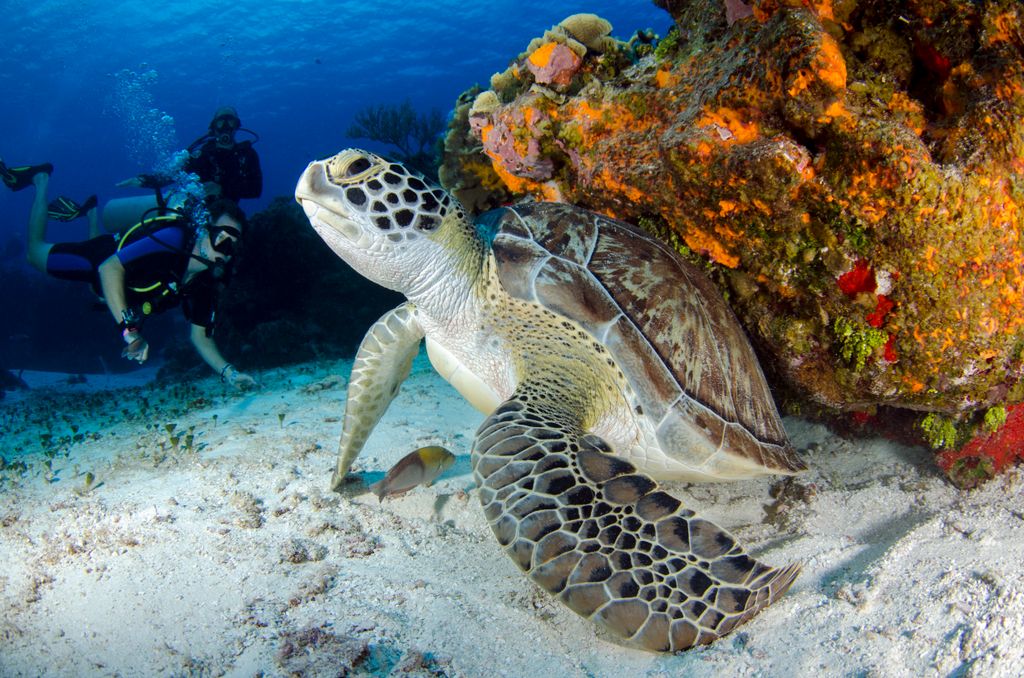
- Sea turtles, manatees, dolphins, and other protected wildlife
- Sponges, sea fans, and other soft corals that give the reef its color
The reef runs parallel to the Keys, sitting mostly between one and seven miles offshore in the Atlantic.
Where Visitors Can Explore the Reef
The most accessible entry point for reef exploration is John Pennekamp Coral Reef State Park in Key Largo, America’s first undersea park. Snorkel tours, glass-bottom boat rides, and scuba charters depart daily from marinas throughout the Keys.
Before you go, do yourself a favor and visit the Florida Keys History & Discovery Center in Islamorada. The center offers an engaging, science-forward look at the Keys’ maritime heritage and ecological history, including the coral reef ecosystem that defines the region. It’s an ideal first stop for first-time visitors who want meaningful context before getting in the water.
How to Visit Without Causing Harm
Florida’s reef is under significant stress from warming ocean temperatures, coastal runoff, and physical damage from boat groundings and careless snorkelers. Please be respectful when you visit and help us protect them!
A few guidelines every visitor should follow:
- Never touch the coral: Even gentle contact can kill coral polyps and introduce disease.
- Apply reef-safe sunscreen: Oxybenzone and octinoxate, chemicals found in many sunscreens, are banned in the Keys and toxic to coral larvae.
- Stay horizontal in the water: Dangling fins kick up sediment and damage reef structures.
- Keep a respectful distance from wildlife: Feeding or chasing marine animals is illegal and harmful.
The Florida Keys National Marine Sanctuary oversees much of the reef and publishes up-to-date guidance on protected zones and regulations.
Make the Discovery Center Your Starting Point
The Florida Keys History & Discovery Center brings the story of this remarkable ecosystem to life through immersive exhibits on local history, natural science, and conservation. Whether you’re a first-time snorkeler or a returning diver, the center’s resources help visitors connect what they see underwater to the larger story of the Keys. Plan your visit today!