Key Takeaways
- Responsible wildlife tourism in the Florida Keys means keeping your distance, never feeding animals, and leaving the reef untouched.
- Federal law prohibits touching living or dead coral, so snorkelers and divers should stay streamlined and use mooring buoys.
- Boaters and swimmers must stay at least 150 feet from wild dolphins and give sea turtles and manatees plenty of room.
- Reef-safe sunscreen, Blue Star operators, and Leave No Trace habits all help protect this fragile ecosystem.
- Start your trip at the Florida Keys History and Discovery Center to learn how the islands’ history and wildlife are connected.
Why Responsible Wildlife Tourism Matters
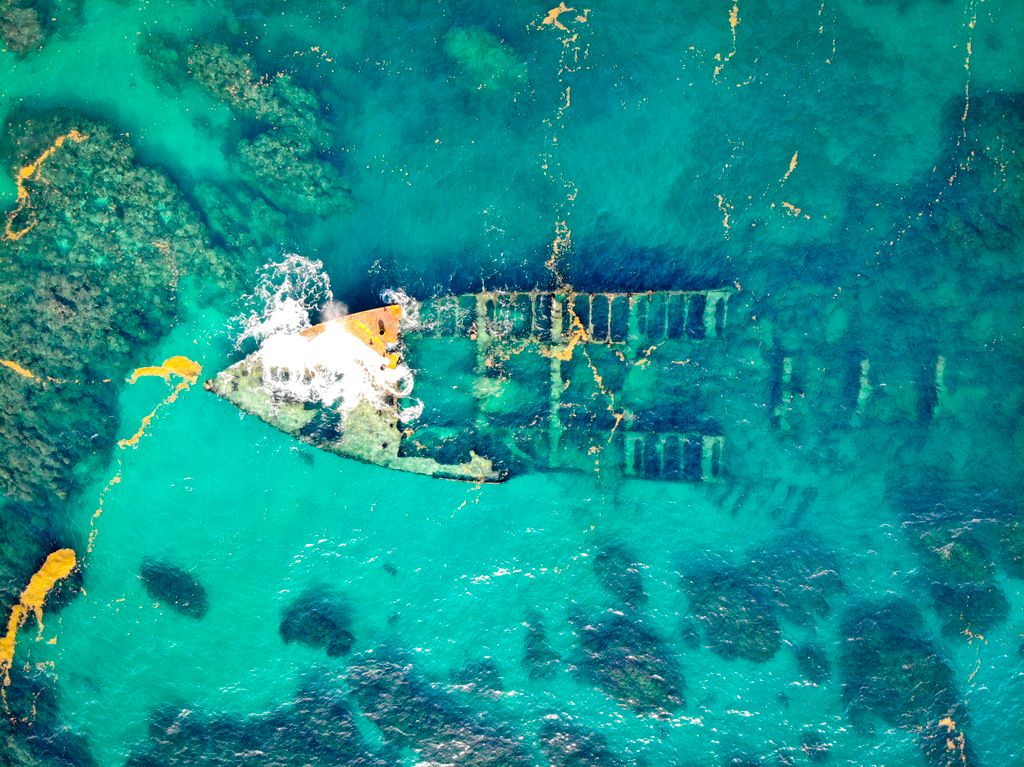
The Florida Keys are home to North America’s only living coral barrier reef and nearly 6,000 marine species. That biodiversity is exactly why eco-tourism thrives here, and why every visitor shares responsibility for protecting it.
Before you hit the water, spend a morning at the Florida Keys History and Discovery Center in Islamorada. Our interactive exhibits and coral reef aquariums give context for the delicate ecosystem you’re about to explore, turning a casual trip into an informed wildlife encounter.
Follow the Rules on the Reef
The Florida Keys National Marine Sanctuary protects roughly 2,900 square nautical miles of water, and its rules are enforceable. Under federal regulation, it is illegal to touch, stand on, or break living or dead coral. When snorkeling or diving:
- Keep gear clipped and streamlined to avoid accidental fin kicks.
- Anchor only in sandy patches, or better yet, tie up to a mooring buoy.
- Choose reef-safe sunscreen, since some chemicals harm coral.
Booking with a Blue Star operator is one of the easiest ways to ensure your guide follows best practices.
Give Wildlife Space
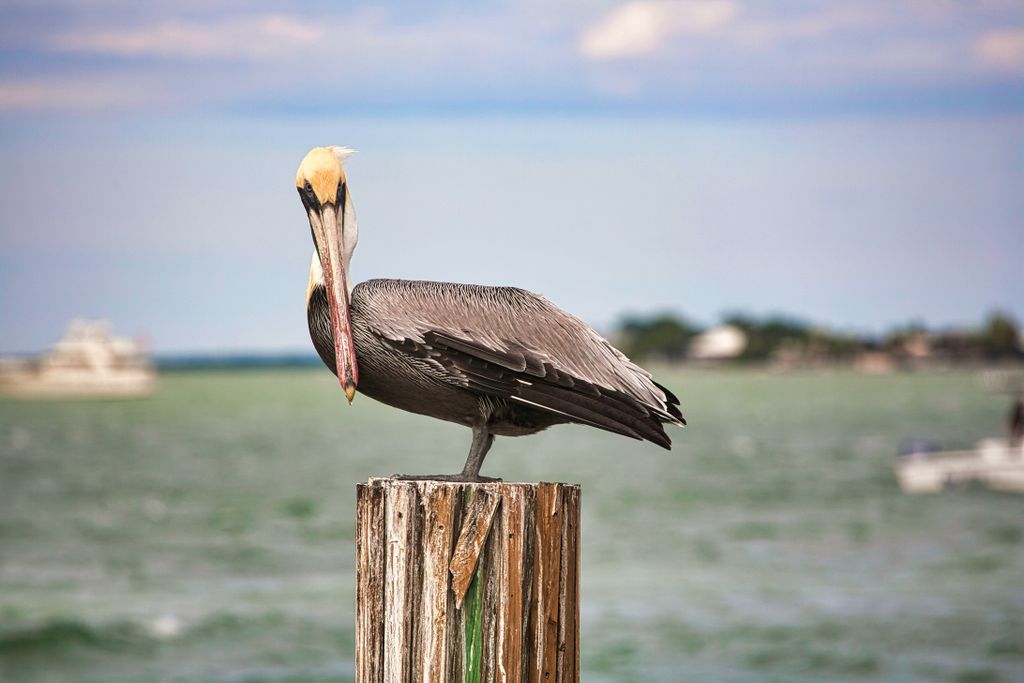
Watching dolphins, sea turtles, manatees, and wading birds is a highlight of any Keys trip. Just remember: Look, don’t touch, and never feed. NOAA advises staying at least 150 feet from wild dolphins so you don’t disrupt their natural behavior.
Practicing patience pays off. Keeping your distance lets animals act naturally, and you’ll often witness more remarkable behavior than you would by crowding them.
Plan a Trip That Gives Back
Responsible travel and great experiences go hand in hand. Pair a guided eco-tour with a visit to the Florida Keys History and Discovery Center, pack out your trash, and leave this national treasure better than you found it.